
Road loans are personal loans between $500 and $5,000 that drivers use to pay for car repairs they cannot cover from savings — a crumpled fender, a dead air conditioner, a cracked windshield, or brakes that grind every time you stop. RoadLoansApp connects you with lenders who fund exactly this kind of expense, with a short online request, soft-inquiry prequalification, and funding that often lands the next business day.
What Road Loans Cover
A road loan covers any car-related repair or restoration bill, from a $500 sensor replacement to a $5,000 full-panel respray. Because these are unsecured personal loans, the money arrives in your bank account and you decide how to spend it: parts, labor, shop supplies, towing, a rental car while yours is in the bay, or several smaller fixes bundled into one visit. Nothing is tied to the vehicle title, so your car is never used as collateral and there is no risk of repossession if you hit a rough month.
That structure matters more than most first-time borrowers realize. Title loans and some shop financing plans secure the debt against your vehicle, which means a missed payment can escalate quickly. With the personal loan model used across the RoadLoansApp network, the agreement is based on your income and credit profile instead, and the repayment schedule is a fixed set of equal monthly installments you can see before you sign.

Typical Loan Amounts
Most requests through this site fall into three bands, matching how repair bills actually cluster at American shops:
$500–$1,500
Windshield replacement, brake pads and rotors, AC recharge with a new condenser fan, single-panel paint blending.
$1,500–$3,000
Suspension overhauls, full electrical diagnostics with wiring repair, multi-panel dent and paint correction.
$3,000–$5,000
Collision-grade body restoration, complete AC system replacement, combined brake, strut, and alignment packages.
Borrow only what the written estimate supports. If your shop quotes $1,840, a $2,000 request with a small buffer for taxes and shop fees is sensible; a $5,000 request for the same job just adds interest you do not need to pay. Our payment calculator shows how each amount translates into an estimated monthly installment before you commit to anything.
How the Process Works
The road loan application takes about five minutes and follows three steps. First, you complete a short form with your contact details, income, and the amount you need — this triggers only a soft credit inquiry, which never affects your score. Second, participating lenders review the request and respond with preliminary offers showing the APR, term length, and estimated payment. Third, you pick an offer, finish that lender's full application, e-sign, and receive the deposit, frequently by the next business day.
Every step happens online, and nothing obligates you until you sign a final agreement. If the offers do not fit your budget, you simply walk away with no fee and no mark on your credit report. The complete walkthrough, including what documents to have ready, lives on our How It Works page.

Repair Loan Categories
RoadLoansApp focuses on four repair categories because they generate the majority of unexpected bills between $500 and $5,000:

Auto Body & Paint Loans
Dent removal, panel replacement, rust repair, and resprays — the cosmetic and structural work that keeps resale value alive.

Car AC & Electrical Repair Loans
Compressors, condensers, alternators, wiring faults, and the diagnostic hours it takes to trace them.
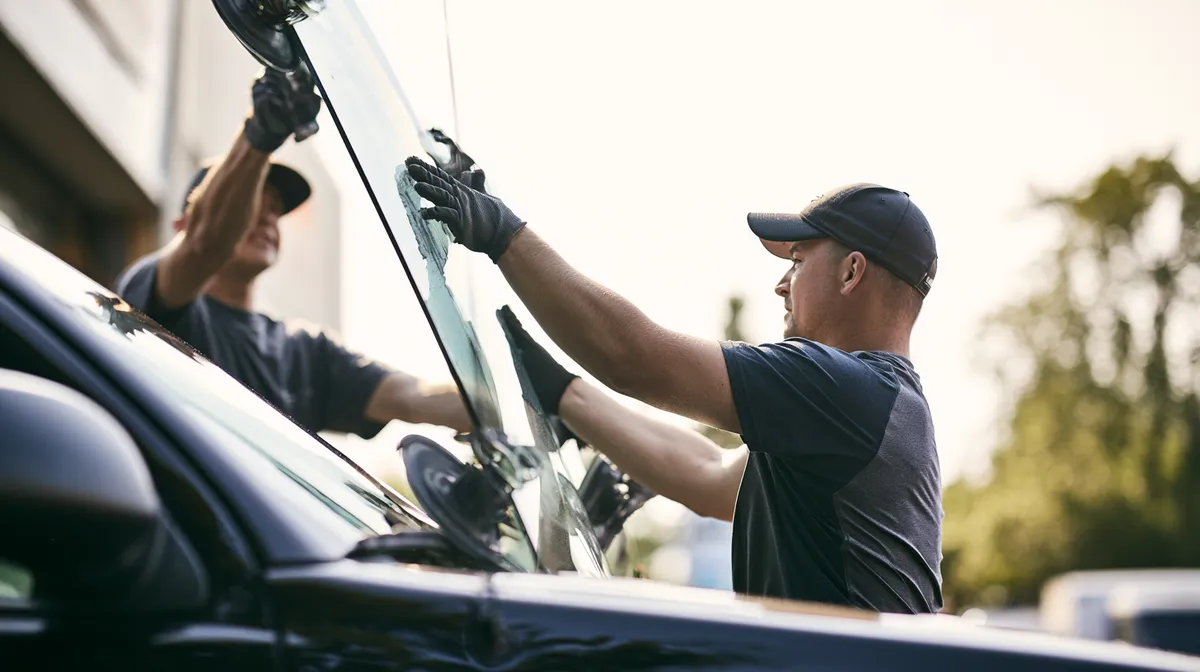
Windshield & Glass Repair Loans
Windshields, door glass, and rear windows, including recalibration of camera-based safety systems.
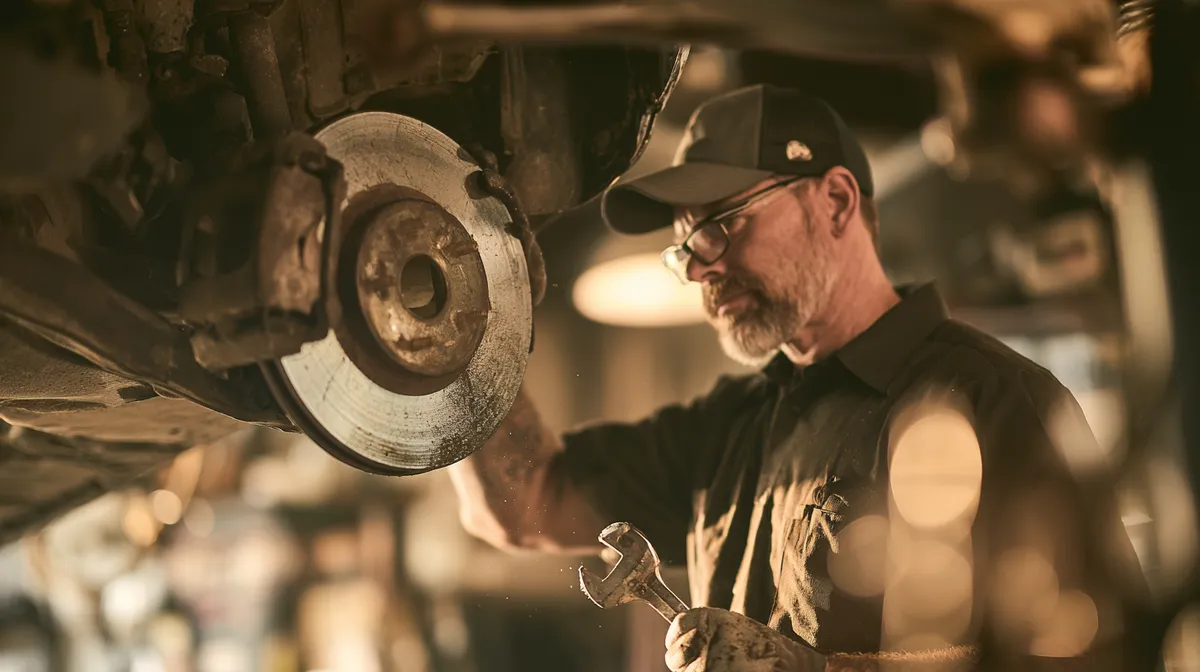
Brake & Suspension Loans
Pads, rotors, calipers, struts, shocks, and control arms — the safety systems that cannot wait for pay date.
Why Drivers Use Financing
Sixty percent of American adults would struggle to absorb an unplanned $1,000 expense from savings, and the average major car repair now runs between $500 and $600 even before body or electrical work enters the picture. When the vehicle in question is also how you get to work, waiting three months to save up is not a neutral choice — it can mean missed shifts, rideshare costs that quietly exceed loan interest, and small problems compounding into bigger ones. A cracked windshield spreads with every temperature swing; worn pads chew into rotors; a weak alternator strands you at the worst possible moment.
Financing converts one unaffordable lump into a series of predictable payments. On a $2,000 repair at 24% APR over 24 months, the estimated installment is about $105.75 — a figure most working budgets can absorb without skipping rent or insurance. The trade-off is interest, which is why the smartest borrowers keep terms as short as their budget allows and compare several offers before signing. Our Rates guide breaks down the APR ranges you should expect at each credit tier.

What Repairs Really Cost
Knowing typical price ranges protects you from both overpaying the shop and over-borrowing from the lender. These figures reflect common U.S. shop pricing for parts and labor combined:
| Repair | Typical Range | Main Cost Driver |
|---|---|---|
| Windshield replacement (with ADAS recalibration) | $400 – $1,200 | Camera and sensor recalibration |
| Brake pads and rotors, both axles | $500 – $1,100 | Rotor quality and vehicle class |
| AC compressor replacement | $800 – $1,600 | Compressor part price and refrigerant |
| Alternator plus wiring diagnosis | $600 – $1,200 | Diagnostic labor hours |
| Strut and shock replacement, full set | $1,000 – $2,200 | Parts plus mandatory alignment |
| Multi-panel dent repair and respray | $1,500 – $4,500 | Paint blending across panels |
Always get the estimate in writing and itemized before you request funds. Our guide on reading a repair estimate explains each line so you can question anything that looks inflated.
Comparing Your Options
A personal loan is not the only way to pay a mechanic, and it is not always the best one. Compare it honestly against the alternatives: a 0% promotional credit card beats any loan if you can clear the balance inside the promo window; shop payment plans are convenient but often carry deferred-interest traps; borrowing from family costs nothing but goodwill. Where personal loans win is predictability — fixed rate, fixed term, fixed payment, no surprise balloon — and accessibility for credit profiles that premium cards decline.
Within the loan world itself, offers vary widely. Two lenders looking at the same file can quote APRs ten points apart, and origination fees between 0% and 8% change the real cost of identical headline rates. That spread is exactly why we maintain a comparison of 24 small personal loan providers, and why the road lending model here sends one request to multiple lenders instead of making you fill out ten separate forms.
Borrowing Smart
Four habits separate borrowers who finish a loan comfortably from those who regret it. First, match the term to the repair's lifespan — financing brake pads over five years means paying for parts long after they wear out again, so keep small repairs on 12–24 month terms. Second, read the fee table before the rate: a low APR with a high origination fee can cost more than the reverse. Third, set up autopay the day funds arrive; most late fees on personal loans come from forgetfulness, not hardship, and some lenders shave the rate for enrolling. Fourth, confirm there is no prepayment penalty so an extra $50 in a good month shortens the loan instead of triggering a charge.
Check whether you meet the baseline requirements on our Eligibility page before applying — two minutes of reading there prevents most declined requests. And if any term in an offer confuses you, the 45-term glossary translates lender language into plain English. When you are ready, the application takes about five minutes.
Five Mistakes First-Time Borrowers Make
After watching thousands of repair-financing requests move through this site, the same five mistakes keep appearing. The first is borrowing before the estimate: drivers request a round number like $3,000, discover the job costs $1,900, and pay interest on money that sits in checking. Get the written quote first, then size the personal loan to it. The second is comparing monthly payments instead of total repayment — a $95 payment over 36 months is not cheaper than $130 over 24; it is roughly $400 more expensive, and the payment line hides that arithmetic on purpose. The third is accepting the first offer out of relief rather than comparison; when three offers arrive, ranking them takes ten minutes and routinely saves triple-digit sums.
The fourth mistake is ignoring the origination fee's direction — whether it is deducted from the deposit or added to the balance changes how much actually reaches your repair shop, and discovering the difference at the shop counter is the wrong moment. The fifth is treating approval as the finish line. The loan works when the repair is done, the receipts are filed, autopay is armed, and a small monthly set-aside is quietly building so the next repair needs no lender at all. Every guide on this site, from the process walkthrough to the FAQ, exists to make those five mistakes hard to commit.
Where RoadLoansApp Fits In
RoadLoansApp is a connection service, not a lender — a distinction that shapes everything about how this site works in your favor. We do not make credit decisions, so we have no incentive to steer you toward any particular offer; our role is to move one soft-inquiry request to multiple lenders and put the resulting offers side by side where you can judge them. We publish the rate bands, the requirements, and the contract vocabulary openly because an informed applicant is a faster, cleaner file for everyone involved. And we say plainly what some sites bury: financing costs money, waiting sometimes costs more, and the arithmetic between those two is yours to run — ideally in the calculator — before anyone's form gets filled out.
Why Drivers Choose Road Loans Over the Alternatives
Every repair bill has four possible payment routes, and road loans win a specific, definable slice of them. Against credit cards: personal loans carry a fixed rate and a real end date, while revolving balances drift — and at equal credit tiers, personal loan APRs frequently undercut card APRs by several points. Against shop financing: most captive plans are deferred-interest cards whose full backdated interest lands if any balance survives the promo deadline, a trap the fixed-schedule road lending model structurally cannot spring. Against title loans: road loans are unsecured, so the car is never collateral and repossession is never on the table — a difference worth more than any rate spread. And against waiting: for safety systems and spreading damage, delay is itself a lender, charging in deterioration what road loans charge in interest, usually at a worse rate.
The honest losing case matters too. A 0% promotional card you will genuinely clear inside the window beats any personal loan on cost; a stable cosmetic flaw on a car you are keeping is a savings goal, not a borrowing occasion. Road loans are the right tool when the bill is real, the timing is now, and predictability is worth more than optionality — which describes most four-figure repair weeks, and very few impulse purchases. One roadloans request through this site prices your specific version of that trade in minutes, with a soft inquiry and no obligation, which is cheaper than guessing in every sense that matters.
One structural note for comparison shoppers: the roadloans request here is a single doorway into the wider road lending network, so quotes gathered through it arrive pre-matched to your state's licensing map — a filtering step serial applications make you repeat lender by lender.
Quick Questions
How fast can road loans be funded?
Most participating lenders review a road loan application the same day it arrives, and many can deposit approved funds as soon as the next business day. Timing depends on the lender, your bank, and when you e-sign the agreement.
Do I need perfect credit to qualify?
No. Lenders in the RoadLoansApp network work with a wide range of credit profiles. Income, existing debt, and repayment history all factor into a decision, so a lower score alone does not automatically disqualify you. See the Eligibility page for the full checklist.
Is there a fee to submit a request?
No. Submitting a request through RoadLoansApp is free, and checking your options uses a soft credit inquiry that does not lower your score. A hard inquiry only happens if you proceed with a specific lender's full application.
Can I use the money at any repair shop?
Yes. A personal loan is paid to you, not the mechanic, so you choose the shop. That flexibility lets you compare estimates, negotiate, and pay for parts, labor, and taxes with one deposit.